Gully Cricket Rules in India: The Unwritten Rulebook Every Indian Knows

There is no official rulebook for gully cricket. The MCC never consulted the kids playing in Dharavi's lanes, or the rooftop matches in Karol Bagh, or the parking lot tournaments in HSR Layout. And yet, walk into any gully in any city in India, and everyone already knows the rules.
How? Because gully cricket has its own oral tradition. The rules are passed from older kids to younger kids, from one building to the next. They are universal without being official. This is that rulebook.
The Non-Negotiables
These are the rules that apply in virtually every gully match, everywhere in India, without discussion:
- •No LBW. Because who's going to stand there and rule it? Nobody. Move on.
- •One tip one hand out. Ball nicks the bat, fielder catches it clean after one bounce — out. Always.
- •Last man batting alone. When all other wickets fall, the last batter faces the bowling by themselves. They keep going until they're out or the overs end.
- •Lost ball stops play. If the ball goes into someone's house, under a car, down a drain — the batting team's score stands at that point. New ball, new game.
- •Trial ball doesn't count. First ball is practice if both teams agree. Especially for the first match of the day.
- •No run on a dropped catch. The ball is dead the moment a fielder gets hands on it, even if it pops out.
The Regional Variations
These rules are widespread but not universal. Different gullies, different cities, different rules:
- •Six and out (or 'Six is out'): Common in Mumbai, especially when there aren't enough players for a full team. Hit it over the boundary for a six and you're gone too.
- •Window rule: If the ball hits a window — you're out. Non-negotiable. (Also see: time to run rule)
- •Car rule: Ball hits a car on the full — four. Ball hits a car and stays elevated — six. Ball bounces off car and into another car — everyone panics.
- •Upstairs = out: Ball goes to a higher floor or over a wall — the batter who hit it fetches it. Also out.
- •Wall boundary: If the boundary is a wall, touching it = four. Going over = six. But only if it clears cleanly — if it hits and bounces back in, it's whatever runs you ran.
- •Khatam-nata rule (Hindi belt): Once a fielder gets a hand on the ball and shouts 'Khatam!', the ball is dead regardless of whether they actually held it.
The Rules That Cause the Most Arguments
Every gully has these disputes. Every single one.
- •"Was that in or out?" — when a ball lands right on the boundary line and half the fielding team says it bounced twice
- •"Did it touch the bat first?" — the tip-catch dispute that ends friendships
- •"That's a wide" vs "That's a dot ball" — when the bowling is fast and the batter's reach is longer than the bowler thought
- •"The wind moved it, it shouldn't count as a wide" — the classic monsoon gully cricket argument
- •Mankading — technically legal, universally considered betrayal
The Rules That Were Never About Cricket
And then there are the rules that exist only because of the specific geography of the game:
- •"Mama's call" rule: If someone's parent calls them for dinner, the fielding team must pause. The batting team may not score during the pause.
- •Dog rule: If a stray dog runs onto the pitch, play pauses. No runs. Everyone freezes and hopes.
- •Auto rule: When a rickshaw or bike drives through the pitch mid-over, the delivery is replayed. Unless the batter already hit it — then it counts.
- •Rain timeout: Light drizzle doesn't stop play. Heavy rain = five-minute break maximum. Everyone stood under the same awning anyway.
- •Evening light rule: When it's too dark to see the ball clearly, bowling speed drops by mutual agreement. Nobody admits the match should stop.
Scoring It Properly
Gully cricket's biggest problem has always been the score. Somebody forgets. Somebody disputes. Somebody swears it was 47, not 45. Paper doesn't survive a Mumbai monsoon. WhatsApp notes get buried under memes.
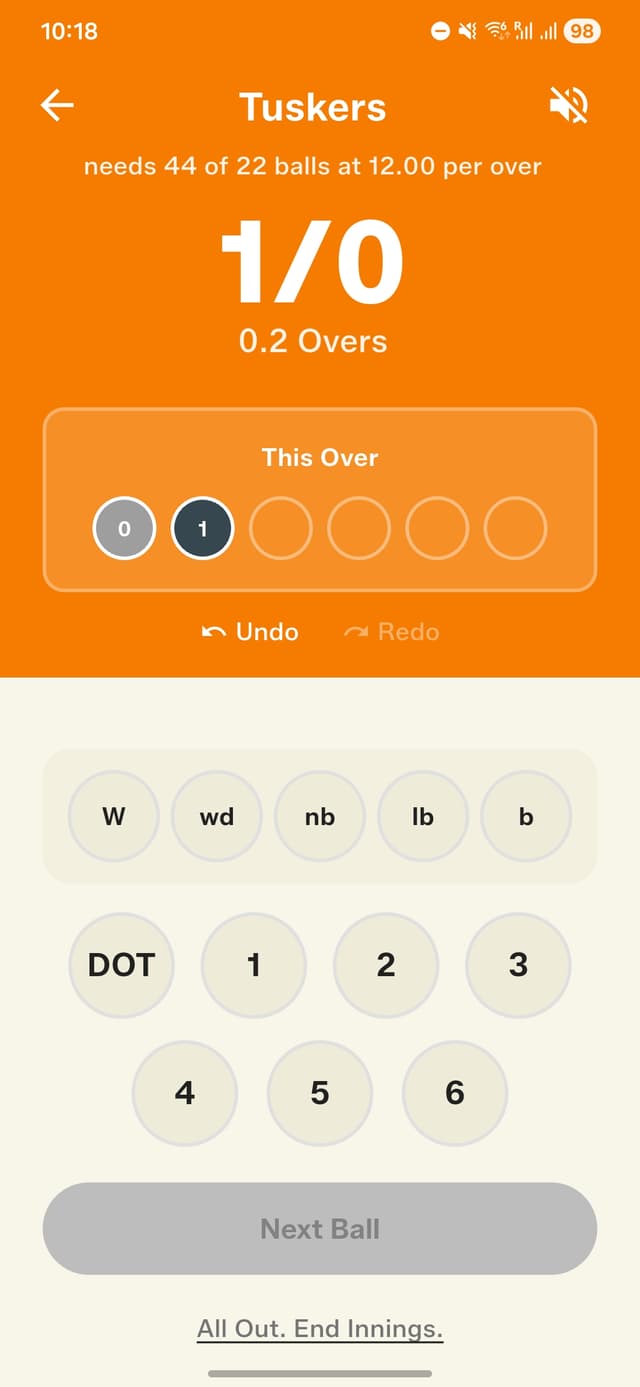
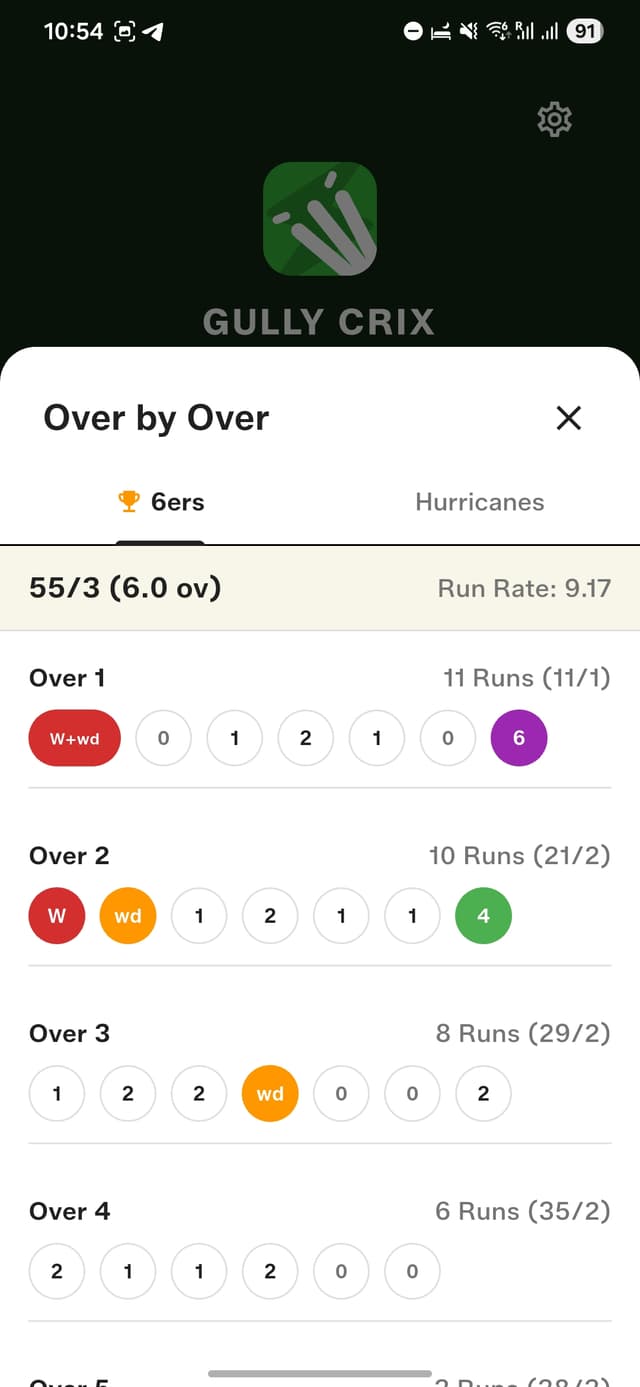
That's exactly why Gully Crix exists. Ball-by-ball scoring that works offline, with no account required, ready to go before the first delivery. Every boundary recorded. Every wicket saved. Full scorecard at the end. Share it to the group and the "actually we were 52" argument dies before it starts.
The rules of gully cricket are unwritten. The score doesn't have to be.
“Where there's a bat and ball, there's a match waiting to happen.”